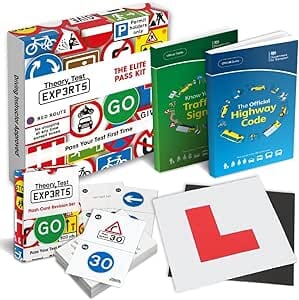
Driving School BlogTHE LATEST NEWS, UPDATES AND SPECIAL OFFFERS IN SOUTH LONDON
|

|
|
August 2024 Motoring and Driving News: Essential Reads for South London Driving Schools Welcome to our August 2024 roundup of the most popular motoring and driving news! As driving schools in South London, staying updated with the latest trends, regulations, and innovations in the motoring world is crucial for providing the best education to our students. Here are the top articles this month that every driving instructor and learner should know about. 1. "Electric Vehicles Dominate UK Car Sales for the First Time Overview: For the first time, electric vehicles (EVs) have surpassed petrol and diesel cars in UK sales. This milestone highlights the accelerating shift towards sustainable transportation. Driving schools should prepare their students for an EV-centric future, focusing on the unique aspects of driving and maintaining these vehicles. Read more about what the future of driving may look like. 2. "New Driving Test Regulations to Be Implemented in August 2024" Overview: The DVSA has announced new regulations for driving tests, effective from August 2024. These changes aim to enhance road safety and include stricter assessments of eco-driving techniques and hazard perception. Instructors should familiarize themselves with these updates to ensure their students are well-prepared. Stay up-to-date with the Latest DVSA News. 3. "Self-Driving Cars: What the Future Holds Overview: Autonomous vehicles are becoming increasingly sophisticated. This article explores the latest advancements in self-driving technology and its potential impact on the future of driving. For driving schools, understanding these developments is essential as they may soon become a part of standard driving curriculums and driving tests in London. 4. "Fuel Prices Hit Record Highs Amid Global Tensions" Overview: Global tensions have driven fuel prices to record highs. This economic shift emphasizes the importance of teaching fuel-efficient driving techniques to students. With fuel costs soaring, driving economically is more relevant than ever. 5. "The Rise of Car Subscription Services: A New Way to Drive Car subscription services are gaining popularity, offering a flexible alternative to traditional car ownership. This trend could influence how new drivers think about vehicle access, car insurance and vehicle ownership. Driving schools should consider discussing these options with students, highlighting the pros and cons. 6. "Road Safety Innovations: The Latest Tech in 2024 Overview: Cutting-edge technology is revolutionising road safety, from advanced driver-assistance systems (ADAS) to improved crash detection and emergency response tools. Instructors should stay informed about these innovations to incorporate relevant safety practices into their driving lessons. 7. "The Impact of Climate Change on Driving Conditions" This article discusses how climate change is affecting driving conditions, with increased instances of extreme weather events posing new challenges for drivers. It's crucial for driving schools to educate students on how to navigate these conditions safely. Stay tuned for more updates and happy teaching Keeping abreast of the latest motoring news helps driving schools in South London deliver comprehensive and current education to their students. From the rise of electric vehicles to the latest in road safety technology, these articles provide valuable insights that can enhance the learning experience and better prepare new drivers for the road ahead. Feel free to share this roundup with your students and fellow driving instructors to keep everyone informed and ready for the future of driving in south London and the UK. 
0 Comments
Here is the Ultimate Guide to Driving Without a SMARTPHONE. Do's and dont's and what are the penalties. Aside from locking your phone away in the boot or glove box there are many ways you can help avoid expensive fines and ultimately reduce the chances of a serious accident. Here at Driving Schools in South London we want all drivers to drive safely and ensure all drivers attention is primarily on the road and are focused on driving. in short mobile phones are dangerous and are a dangerous distraction to drivers.

Introduction
In today's connected world, the temptation to use a mobile phone while driving is ever-present. However, this practice is not only illegal but also extremely dangerous. This guide will provide you with essential tips to help you drive safely without mobile phone distractions, outline the penalties for phone use while driving, and highlight the associated hazards.
https://www.think.gov.uk/campaign/mobile-phones/ Tips for Driving Without Mobile Phone Use
1. Turn off your phone or switch to 'Do Not Disturb' mode
- Before starting your journey, turn off your phone completely or activate the 'Do Not Disturb While Driving' feature available on most smartphones. 2. Out of sight, out of mind - Place your phone in the glove compartment, in a bag in the back seat, or even in the boot of your car. 3. Plan ahead - Check your route, respond to messages, and make any necessary calls before you start driving. 4. Use a phone mount - If you need to use your phone for navigation, secure it in a phone mount where you can see it without taking your hands off the wheel. 5. Utilise voice commands - If your car has built-in voice command features, use these for hands-free navigation or music control. 6. Designate a 'phone buddy' - If you have passengers, ask one of them to handle any necessary phone communications. 7. Take regular breaks - On longer journeys, schedule stops to check messages and return calls safely. 8. Use apps that block notifications - Install apps that automatically silence notifications while you're driving. 9. Educate yourself and others - Learn about the dangers of phone use while driving and share this information with friends and family. 10. Practice self-discipline - Commit to not using your phone while driving, no matter how tempting it may be. Penalties for Using a Phone While Driving in South London
Using a hand-held mobile phone, smartphone, tablet or electronic device while driving is illegal in the UK. The penalties are severe and include:

Hazards of Mobile Phone Use While DrivinG
There are many reasons why driving with a mobile phone is bad and can potentially lead to bad decisions, late reactionos and impede your driving but here we have broken these down further.
1. Reduced reaction times - Using a phone can slow your reactions by up to 50%, making it harder to respond to sudden changes in traffic. 2. Impaired visual awareness - Looking at your phone takes your eyes off the road, increasing the risk of missing important visual cues. 3. Cognitive distraction - Engaging in phone conversations, even hands-free, diverts mental resources from driving tasks. 4. Physical impairment - Holding a phone reduces your ability to control the vehicle properly. 5. Increased risk of accidents - Studies show that drivers using phones are 4 times more likely to be involved in a crash. 6. Emotional distraction - Receiving upsetting news or engaging in heated conversations can affect your emotional state and driving performance. 7. Missed navigation cues - Focusing on your phone may cause you to miss important road signs or turns. 8. Impaired situational awareness - Phone use can prevent you from maintaining a proper awareness of your surroundings, including other vehicles, pedestrians, and potential hazards. Conclusion Driving without mobile phone distractions is crucial for your safety and the safety of others on the road. By following these helpful tips, understanding the penalties, and recognising the hazards, you can contribute to safer roads for everyone. Remember, no call or message is worth risking your life or the lives of others. At Driving Schools in South London, our driving instructors prioritise teaching safe driving habits, including the importance of avoiding mobile phone use while behind the wheel. For more information on our driving courses and how we can help you become a safer, more confident driver, visit [Driving Schools in South London](https://www.drivingschoolsinsouthlondon.co.uk/). Stay safe, stay focused, and enjoy the journey! 
Hands on the wheel? Hands off your phone.
THINK! Launched a driving campaign to reduce smartphone use amongst drivers and coincide with a strengthening of the laws around phone use whilst driving.
Recent High-Profile Cases in the UK Involving Mobile Phone Use Leading to Fatal Road Accidents
Several high-profile cases in the UK have highlighted the dangers of using a mobile phone while driving, leading to tragic consequences. Here are some notable incidents:
1. The M66 Tragedy - Incident: A young driver filmed himself traveling at high speeds on the M66 motorway, resulting in a fatal accident. - Victims: Frankie Jules-Hough and her unborn child. - Outcome: The case garnered significant media attention, emphasizing the severe risks and tragic outcomes of using a mobile phone while driving. www.theguardian.com/uk-news/2023/oct/13/man-killed-pregnant-woman-m66-crash-jail-term-increased-adil-iqbal 2. The Case of Tomasz Kroker - Incident: In 2016, Tomasz Kroker, a lorry driver, was distracted by his mobile phone when he crashed into stationary traffic on the A34, killing a mother and three children. - Victims: Tracy Houghton, her sons Ethan and Josh, and her partner's daughter, Aimee Goldsmith. - Outcome: Kroker was sentenced to ten years in prison. This case was widely reported and highlighted the devastating consequences of mobile phone use while driving. www.bbc.co.uk/news/uk-england-37823457 3. The Collision Involving Christopher Gard - Incident: In 2015, Christopher Gard was texting while driving when he hit and killed cyclist Lee Martin. - Victim: Lee Martin, a 48-year-old cyclist. - Outcome: Gard was sentenced to nine years in prison. This case underscored the lethal danger of texting while driving and led to calls for stricter enforcement of mobile phone use laws. www.dailymail.co.uk/news/article-3782511/Road-madness-Cage-fighter-mowed-cyclist-phone-EIGHT-previous-convictions-texting-wheel-DID-courts-allow-van-kill-innocent-father.html 4. The Tragic Death of Tracy Houghton and Children - Incident: In 2016, a lorry driver using his mobile phone caused a crash that killed Tracy Houghton and three children on the A34. - Victims: Tracy, her two sons and her partner's daughter - Outcome: The driver was sentenced to ten years in prison. This incident was a stark reminder of the dangers of mobile phone use while driving and led to increased public awareness and calls for harsher penalties. news.sky.com/story/a34-crash-lorry-driver-jailed-for-killing-family-while-on-phone-10639721 These cases have brought to light the severe consequences of using a mobile phone while driving, leading to fatalities and long-term legal repercussions for the drivers involved. They have also spurred public debate and legislative action aimed at curbing mobile phone use on the roads to prevent further tragedies. Why Learner Drivers Should try taking driving lessons at different times of the day to experience different driving conditions. Learning to drive in South London presents unique challenges due to the area's diverse road conditions and varying traffic patterns. At Driving Schools in South London, we believe that exposing learner drivers to a range of driving scenarios is crucial for developing well-rounded, confident drivers. Here's why we recommend taking lessons at different times of the day: 1. Mastering Rush Hour Traffic South London's rush hours can be particularly intense, especially on major routes like the A23 or A3. By scheduling some lessons during peak morning or evening hours, learners can:
2. Adapting to Different Light Conditions Driving in various light conditions is essential for building a complete skill set:
3. Experiencing Diverse Weather Conditions South London's weather can be unpredictable. Lessons in different conditions help learners:
4. Navigating Different Road Types South London offers a mix of road types. Varying lesson times allows learners to experience:
5. Building Confidence in Various Scenarios By facing diverse driving conditions, learners:
6. Preparing for the Practical Test The DVSA practical test can be scheduled at different times. Having experience in various conditions means:
At Driving Schools in South London we're committed to producing safe, confident drivers who are prepared for any situation South London's roads might present. By incorporating lessons at different times of the day, we ensure our learners gain a comprehensive understanding of driving in various conditions. This approach not only prepares them for their driving test but also for a lifetime of safe driving in the diverse and dynamic environment of South London.Ready to start your journey to becoming a well-rounded driver? Contact us today to schedule your lessons across various times and conditions! How does taking driving lessons during different times of the day impact learning efficiencyTaking driving lessons at different times of the day can significantly impact learning efficiency and overall driving skills. Here's how:
 Whether you're a complete beginner or need a refresher after some time away, DSSL Driving Schools has a range of lessons and courses to fit your needs and get you road-ready in London. Driving Instructors For New Learners Our experienced instructors provide expert tuition for those just starting out. From basic car controls to road skills like hazard perception, we'll guide you every step of the way with our beginner driving lessons. As you progress, we'll expose you to London's unique driving challenges like busy junctions and heavy traffic to build your confidence. Should I choose a manual or automatic car to take my driving test? Intensive Driving Courses Have a deadline for your license? Our intensive driving courses are perfect if you need to learn quickly. We offer condensed curriculums from 10 hours up to 30+ hours over just a few days. With our focused instruction and accelerated learning techniques, you'll be test-ready in no time. Refresher Lessons It's easy to get rusty if you haven't driven for a while. Our refresher driving lessons are tailored to your needs - whether it's regaining general confidence, brushing up on specific skills like motorway driving, or adapting to a new vehicle type. We'll get you back up to speed safely. Pass Plus Broaden your experience beyond the basics with a Pass Plus course. Over 6 modules, you'll learn advanced driving skills for motorways, rural roads, night driving and more. Many insurers even offer discounts for Pass Plus certification. Short Notice Driving Tests Need a driving test at short notice? We have fantastic availability to book tests with the DVSA and local driving test centres, often with just 5-10 working days' notice. Our driving instructors will ensure you're prepared with mock tests so you can take your real test feeling confident. All our driving lessons are conducted by fully-qualified DVSA approved driving instructors using modern, dual-controlled cars. We offer competitive rates with both manual and automatic tuition available. Don't put your driving goals on hold. Contact DSSL Driving Schools today to discuss your requirements - we're committed to helping you become a safe, confident driver ready to take on London's roads! how can dssl help you prepare for your driving test in London?DSSL Driving Schools in London offers many services and resources to help prepare students and new drivers for their driving test: 1. Expert Tuition and Comprehensive Lessons DSSL provides expert tuition through a range of driving lessons designed to build the skills and confidence needed to pass the driving test. Their lessons cover all aspects of the driving test syllabus, from basic car controls to hazard perception and driving in London's challenging road conditions. 2. Intensive Driving Courses For those needing to prepare quickly, DSSL offers intensive driving courses that condense the curriculum into a shorter timeframe, ranging from 10 hours up to 30+ hours over just a few days. These accelerated courses use focused instruction to get students test-ready rapidly. 3. Mock Tests and Test Route Familiarity As highlighted by other top driving schools, DSSL likely emphasizes conducting mock tests under exam conditions and ensuring familiarity with common test routes. This helps students experience the actual driving test format and navigate areas where others often fail. 4. Short Notice Driving Tests The blog post mentions DSSL has excellent availability to book driving tests with the DVSA at short notice, often within 5-10 working days. Their instructors conduct final preparation through mock tests to ensure students feel confident for their scheduled test date. 5. Experienced, Qualified Instructors DSSL only employs fully-qualified driving instructors who use modern, dual-controlled cars for lessons. Their experience allows them to effectively evaluate each student's readiness for the test. 6. Competitive Pricing DSSL promises competitive rates for their range of driving lessons and courses in London. By providing expert tuition, intensive course options, mock tests, short notice driving test availability, and experienced instructors at competitive prices, DSSL Driving Schools aims to comprehensively prepare students and build their skills and confidence for successfully passing the driving test in London. DSSL offers different types of driving lessons and courses tailored to different student needs and timelines :
SHORT NOTICE DRIVING TESTS TAKE A MOCK DRIVING TEST Taking a mock test identical to the real exam, with a fellow instructor the student might not know, will help duplicate nervy driving test conditions. Students taking one or two mock driving tests with us are proven to pass their driving test at the first attempt more frequently. PRACTICE YOUR THEORY TEST AND HAZARD PERCEPTION TEST Need to site your Theory and Hazard Perception Test? See our comprehensive Theory Test Guide which explains the process of the two tests and also the reference material you need to study and learn to help you pass. Most importantly the Highway Code. GET DRIVING TEST ROUTE KNOWLEDGE Gain familiarity with common driving test routes and get instructor insider knowledge on areas and road layouts where students often fail on each test centre route is essential. See our FAQs TAKE A BREAK BEFORE YOUR TEST Allowing 30 minutes to wind down before taking your driving test is something we really do recommend. We can book you a driving test at any one of the driving test centres in south London is under 2 weeks. https://www.drivinglessonsrichmond.com/blog/we-can-arrange-your-driving-test-in-10-days CONTACT US TODAY The 8 key changes to the Highway Code that came into effect on January 29, 2022 are: 1. Introduction of a Hierarchy of Road Users [1][5] This places those most at risk in the event of a collision at the top. It doesn't remove the need for all road users to behave responsibly. 2. Clarification on pedestrian priority at junctions [1] When people are crossing or waiting to cross at a junction, other traffic should give way. Drivers should allow pedestrians to cross and not wave them across. 3. Guidance on cyclist road positioning [1] Cyclists should ride in the center of lanes on quieter roads, in slower-moving traffic, and when approaching junctions, to make themselves as clearly visible as possible. 4. Advice on safe passing distances and speeds when overtaking cyclists [1] Drivers should leave at least 1.5 meters when passing cyclists at speeds under 30mph, and give them more space when overtaking at higher speeds. 5. Recommendation of the 'Dutch Reach' technique [1] Drivers and passengers should open vehicle doors using their hand on the opposite side to the door they are opening. This allows them to turn their head to look over their shoulder for passing cyclists/pedestrians. 6. Strengthened pedestrian priority on pavements and when crossing or waiting to cross the road [1] 7. Confirmation that cyclists can ride two abreast [1] This can be safer to be more visible and is allowed in most circumstances. 8. Advice on safe passing distances/positioning when overtaking horses [1] Drivers should pass wide and slow when overtaking horses, treating them as hazards and passing them at a maximum of 10mph. HOW DO THESE CHANGES AFFECT MY DRIVING TEST? These new additions can potentially be a question on your theory test and hazard perception test but you need to know these changes to drive safely and failure to comply can lead to minor and in worst case scenraio major faults during your driving test. WHY WERE THE CHANGES MADE? The changes aim to improve safety for the most vulnerable road users like pedestrians, cyclists and horse riders by enhancing awareness and consideration among drivers based on the new hierarchy. You can read further details on these changes by following the links below. 8 KEY HIGHWAY CODE UPDATES EVERY DRIVER NEEDS TO KNOW IN 2024 Changes to the Highway code 2022 citations: [1] https://www.gov.uk/government/news/the-highway-code-8-changes-you-need-to-know-from-29-january-2022 [2] https://readytopass.campaign.gov.uk [3] https://www.drivingschoolsinsouthwestlondon.co.uk [4] https://www.drivingschoolsinsouthlondon.co.uk [5} https://www.drivingschoolsinsouthwestlondon.co.uk/blog/get-the-official-highway-code-and-flash-cards   Hello, aspiring Mad Max road warriors of Surrey! At Your Surrey Driving School, we've seen it all when it comes to driving test fails. So, buckle up and enjoy this tongue-in-cheek look at why some folks don't quite make the grade on test day. 1. Mistaking a Roundabout for a Racetrack Some eager beavers think they're auditioning for "Fast and Furious: Surrey Drift" when they hit the roundabout. Spoiler alert: The examiner is not impressed by your Tokyo Drift skills! 2. The "Surrey Shuffle" This is when you forget which pedal is which and do a little dance with your feet. It's great for your calves, not so great for passing your test. 3. Confusing the Sat Nav with Siri "Siri, where's the nearest pub?" is not an appropriate question during your driving test. Trust us on this one. 4. The "Surrey Squirrel Swerve" Yes, we know Surrey's wildlife is adorable, but swerving across three lanes to avoid a squirrel is a bit much. The examiner doesn't award points for being a animal lover! 5. Mistaking Hand Signals for Interpretive Dance Your enthusiastic arm-waving might win you points on "Britain's Got Talent," but it's not quite what the examiner is looking for in terms of signaling. 6. The "Surrey Tea Break" Stopping at a red light doesn't mean it's time for a quick cuppa. Leave the thermos at home, folks! 7. Playing "I Spy" with Road Signs "I spy with my little eye, something beginning with 'S'." "Is it 'Stop sign that you just drove right past'?" Game over! 8. The "Surrey Slalom" Weaving between lanes like you're on a ski slope might be fun, but it's not exactly what the examiner means by "control of the vehicle." 9. Mistaking the Horn for a Doorbell Honking at every house you pass is not a great way to make friends in the neighborhood or impress your examiner. 10. The "Surrey Selfie" Last but not least, trying to take a selfie with your examiner mid-test is a definite no-no. Save it for your pass photo! Remember, while these fails might give us a chuckle, at Your Surrey Driving School, we're dedicated to making sure you pass your test with flying colors - no fails, no fuss, just first-time success! So, if you want to avoid becoming the star of our next blog post, give us a call. We'll have you driving like a pro in no time - squirrels, roundabouts, and all! And whilst we have put a funny spin on these driving test failures they are all pretty much true. Stay safe out there, Surrey drivers!   Driving Lessons in Tooting Driving Lessons in Tooting CHEAP DRIVING LESSONS IN TOOTING The Best Driving Lessons in Tooting. Learning to drive can be an exciting time for many young motorists. The first step to obtaining your driving licence is to find a good driving school in Tooting with an experienced driving instructor. Our driving instructors will tailor your driving lessons in Tooting to work with your needs, ongoing progress, new skills and abilities. Our Driving School instructors in Tooting are fully DVSA qualified. They have a vast amount of experience and constantly update their teaching methods. With our lessons our instructors ensure you are fully prepared to pass your test and be safe driver even after you have passed. LOW COST LESSON PRICES Manual Car Lessons £38 p/hr Automatic Car Lessons £38 p/hr Block Lessons bookings (10 x 1hr lessons) ONLY £370 Pass Plus Lessons £45 p/hr Refresher lessons £45 p/hr Motorway Course (1 hours tuition) £45 p/hr #DrivingLessonsinTooting #DrivingSchoolsinTooting #TootingDrivingSchool #Lessons #Courses #Schools #London #SouthLondon Driving COurses in TootingOur Intensive and Crash Driving Courses with our South London Driving Instructors will help you pass your driving test in only 2-3 weeks time whilst ensuring you are fully at ease and confident in your abilities on and off the road. The driving lessons and courses we offer are:
Short Notice Driving Tests in TootingCurrent waiting times for driving tests in the Tooting area is about 6 - 9 months. We can get you a short notice, last minute or late cancellation driving test at a local driving test centre within 2 - 3 weeks. We only ask that you use our test car and our local Tooting driving instructor. *Hire cost and instructor fees apply 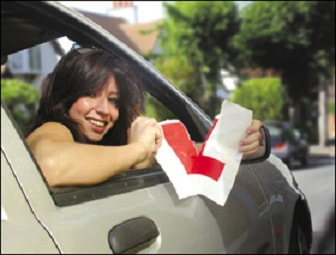 Late Notice Driving Tests in South London. We are experts at getting you a short notice driving test in South London. If you are ready now but have been given a test date months away give us a call today. We can at any of the London driving test centres to get you a short notice driving test date. SHORT NOTICE DRIVING TEST DATE BOOKINGS Need a last minute or short notice driving test booking at the following Driving Tests Centres Morden, Croydon, Tolworth, Wallington, Isleworth, Hither Green, Mitcham and Sutton Driving Test Centre? SEE OUR MOST POPULAR DRIVING COURSES AND LESSONS
DRIVING LESSON PRICES 2024 Manual Car Lessons £38 p/hr Automatic Car Lessons £38 p/hr Block Lessons bookings (10 x 1hr lessons) ONLY £370 Pass Plus Lessons £45 p/hr Refresher lessons £45 p/hr Motorway Course (3 hours tuition) £45 p/hr  By combining quality driving lessons with private practice it is proven that this increases the learner driver’s chances of passing their driving test first time. That is why learner driver insurance is such a valuable resource for those who are looking to do their driving test. Learner driver insurance is a specialist car insurance designed to allow those people learning to drive a chance to practice what they’ve learnt in their driving lessons, with an accompanying driver (usually a friend or family member). It acts as a separate top up policy to the car owner’s main car insurance policy, meaning there is no effect to car owner’s no-claims bonus in the event of an accident! InsureLearnerDriver provide comprehensive temporary insurance for learner drivers aged between 17 – 40. The car used for practice can either be borrowed or even owned by the learner driver. With no curfews imposed, meaning the learner is free to practice whenever, wherever they want. Get a quote and buy online. How much typically is CAR insurance in London, UK for a new driver and how can I save money on my car insurance?According to the information provided in the search results, car insurance for new drivers in London, UK can be quite expensive, but there are several ways to potentially save money on your premiums. Cost of Insurance for New Drivers in London: - The search results [3] and [5] indicate that car insurance premiums for new/young drivers aged 17-20 in the UK average around £1,800 per year. - Specifically for London, the data in [4] shows that the average annual premium for an 18-year-old new driver in London is £1,414. - This makes London one of the more expensive cities in the UK for new driver insurance, ranking 3rd highest out of the 10 major cities analyzed in [4]. Ways to Save Money on New Driver Insurance in London: 1. Consider a telematics/black box insurance policy Data shows these usage-based policies can lead to average savings of over £140 per year for 17-19 year olds in the UK by monitoring and rewarding safe driving habits. 2. Choose a smaller, less powerful vehicle Insuring a smaller, lower-risk vehicle in a cheaper insurance group can significantly reduce premiums for new drivers. 3. Add a more experienced named driver to the policy This can help reduce rates by offsetting some of the risk for the new driver. 4. Increase your voluntary excess amount Agreeing to pay a higher excess in the event of a claim can lower your annual premiums. 5. Pay premiums annually upfront if possible Many insurers offer discounts for paying the full annual amount instead of monthly installments. 6. Shop around and use comparison sites Premiums can vary significantly between providers, so compare quotes from multiple insurers. 7. Consider taking a driving course like Pass Plus Some insurers may offer discounts if you complete an accredited driving course for new drivers. Such as Pass Plus or an advanced driving course if you drive for work. Check with your employer or local council if their are any schemes for you. By utilising tactics like telematics policies, choosing a lower-risk vehicle, increasing excess, and shopping around, new drivers in London can potentially reduce the high insurance costs associated with being an inexperienced driver in that region. What are other factors that can increase car insurance premiums in London, UKAccording to the information provided in the search results, some additional factors that can increase car insurance premiums for drivers in London, UK include:
So in addition to common factors like age and driving record, insurers also closely analyse location-specific risks, vehicle details, parking situations, occupations and annual mileage when setting insurance premiums for drivers in London areas. What are the most common car models targetted by thieves in London, UK?If you want to reduce your car insurance premiums go for a car model that is not targetted by criminals and thieves. Some of the most common car models targeted by thieves in London and the UK are: 1. Ford Fiesta The Ford Fiesta is cited as the car model most targeted by thieves in the UK over the last 12 months (October 2022 - September 2023), with over 6,000 Fiestas stolen during this period. As the most popular and commonly owned car in the UK, the Fiesta tops the list of models most attractive to car thieves. With the Ford Fiesta ST-Line and ST-Line Vignale being the most desirable amongst these models. 2. Land Rover models Land Rover as a brand emerges as highly vulnerable to vehicle theft in the UK. The data shows that of all UK-registered Land Rovers, a staggering 924 per 100,000 were reported stolen, making them almost three times more likely to be targeted than the next highest brand. Specific Land Rover models filling 6 of the top 10 most stolen cars include the hugher end models such as Range Rover Sport, Range Rover Vogue, and others. 3. Ford Focus The Ford Focus is the second most stolen car model in the UK according to the government data analyzed, with over 2,200 units stolen between October 2022 and September 2023. As the second most commonly owned car in the UK, the Focus is an attractive target. Also Ford Focus Titanium and ST-Line are also very desirable among thieves. 4. Volkswagen Golf Rounding out the top 3 most stolen models is the Volkswagen Golf, the fourth most owned car in the country, with just over 2,100 units reported stolen in the same 12-month period. Aditionally higher spec'd models such as the Golf GTI are more commonly targetted 5. Mercedes-Benz C-Class and S-Class Luxury brands like Mercedes-Benz are also prominent on lists of most stolen models, with the C-Class and S-Class Mercedes models among the most commonly stolen according to data sources. While results don't explicitly break down theft rates by specific areas of London, the prevalence of these mainstream and luxury vehicle models as top targets for thieves indicates they are likely among the most stolen cars in the London region as well as across the UK. It is therefore likely to assume that car insurers will increase car insurance vehicles for these models of cars.   Even if you live in central London and have a wealth of public transport at your disposal, learning to drive could help you save money and could prove to be a crucial life skill. So what if;
Driving a car opens up a whole world of possibilities and just having the freedom to jump in the car and not having to worry about how much you can carry is so enlightening. You can visit anywhere, go anywhere and you do not feel as though you have to rely on a friend, loved one or relative. So even if it is not your intention to drive straight away of you do not have a car start learning to drive straight away. I waited til I was in my early 30s and as soon as I passed my driving test I wondered what all the fuss was about and why I had been putting this off for years and years. I'm so happy to be driving now but I do so regret not doing it sooner. So if you want driving lessons in south London and want to pass your driving test come and take some lessons with us Pros of Learning to Drive in LondonHere are some key pros and cons of learning to drive in London: Pros of Learning to Drive in south London:
Cons of Learning to Drive in London:
In summary, while Learning to Drive in south London provides valuable experience and convenience, the high costs, parking difficulties, and excellent public transport options are factors to consider against the potential benefits of owning a car in the city. But this should certainly not put you off from learning to drive and becoming a driving licence holder offers lots of other benefits inside and outside of London. See our interesting blog post on car insurance and how to save money. |
Driving School in South London BlogFeel free to ask us any questions you have about our driving school in South London, driving in general or about your driving test. We shall also display advice and information on latest news, tips and special discounts available with our driving school. Highway Code
L-Plates
LocationsDriving School Archives
July 2024
Driving School Categories
All

#DSSL
#DrivingSchoolBlog #DrivingSchoolBlog #DrivingLessonsTooting #DrivingSchoolsTooting #TootingDrivingSchool #DrivingLessons #DrivingCourses #DrivingSchools #London #SouthLondon #Fasttests #lastminute #quicktests #latecancellations #drivingtests QUICK DRIVING TESTS Current waiting times for driving tests iare about 6 - 9 months. We can get you a short notice, last minute or late cancellation driving test at a local driving test centre within 2 - 3 weeks. We only ask that you use our test car and our driving instructors. DVSA LATEST NEWS
|